
The faces we keep after the game is over
By Nia ColeOctober 4, 2026
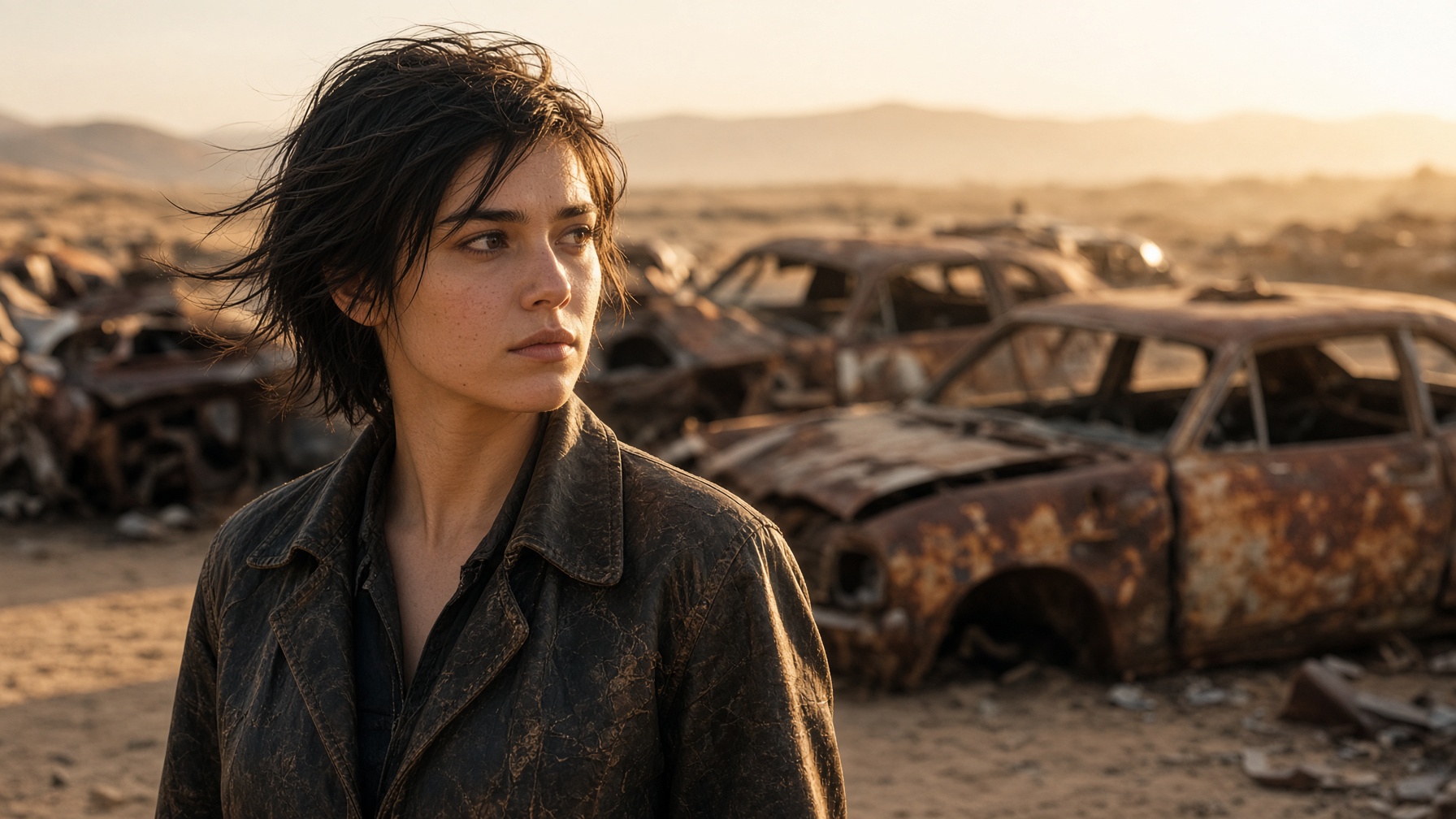
The Game Cover
Ask someone for their favorite game and they will give you a title. Ask them what they remember and they will give you a person. Not the final boss. A woman in a junkyard wind. A captain who would not leave. A thief who lied like it was courtesy. Stories are long. Faces are portable.
Games are unusually good at this and unusually bad at admitting it. Marketing sells worlds. Memory keeps the character who had to live in the world after the trailer cameras left. The best ones are specific: a voice, a limp, a moral line they cross late, a joke they repeat until it stops being a joke.
Performance is a system
A face in a game is not only a render. It is the animation that plays when they lose, the banter that changes if you were cruel three hours ago, the silence when they refuse to fill it. Writers get the credit, and they should, and so should the actor, the rigger, and the designer who let a conversation end without a reward popup.
Open worlds sometimes forget this and staff a map with accents. You can feel the difference in an afternoon. One stranger wants something only they would want. The other wants a map marker. We remember the first. We complete the second.
Take one with you
This desk's private test is unfair and useful. A week after the credits, can you describe the character without describing the genre? If the answer is 'a hero who saves the realm,' the realm did all the work. If the answer includes how they stood when they were losing, the game gave you someone.
Hang on to those. The release calendar will not. Next month's key art is already in a folder. The face you kept is the one that makes this job worth the trailers.